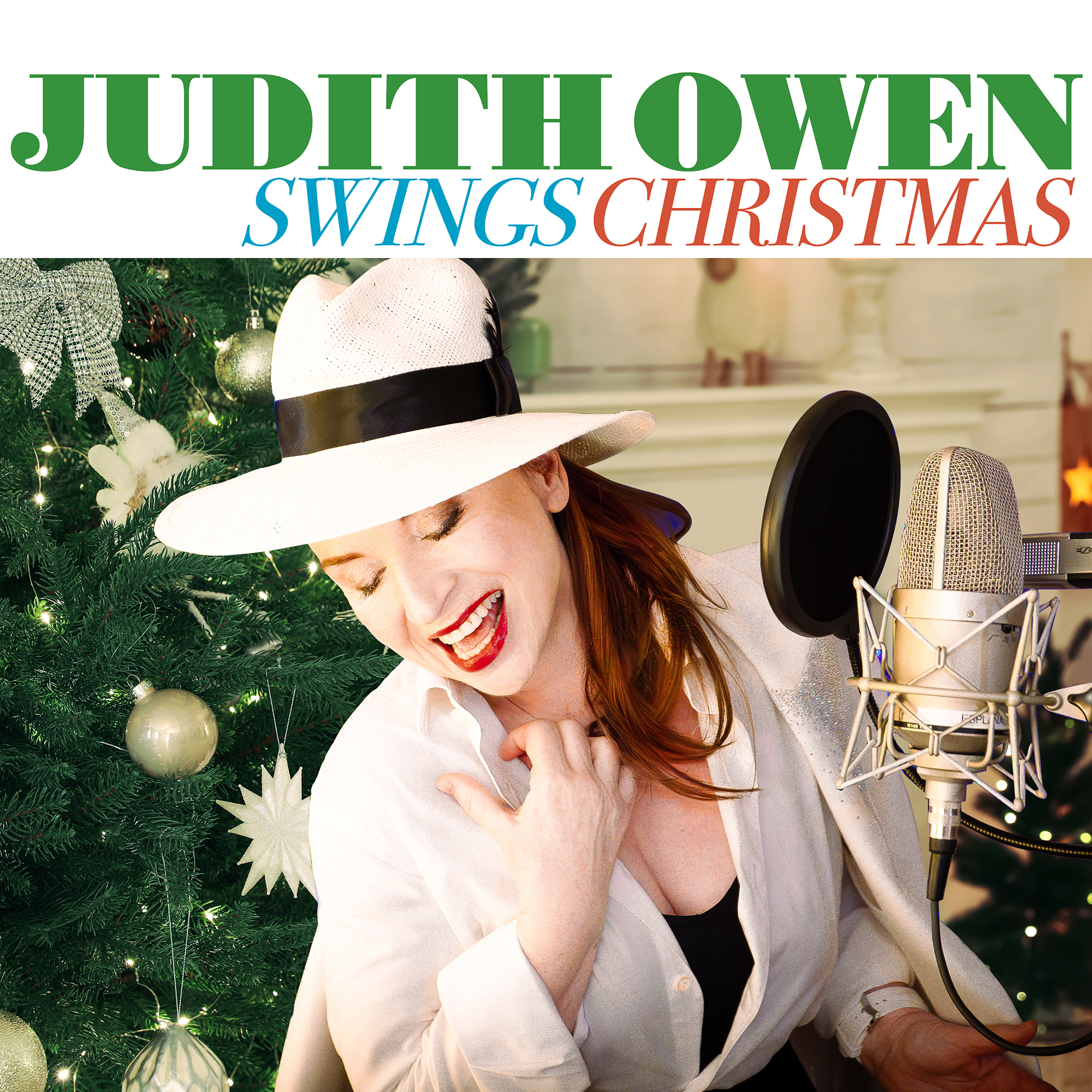
From the rugged coast of Wales to the soulful streets of the Big Easy, Judith Owen has always been a musical chameleon. Now, she’s inviting us into her winter wonderland with the re-promotion of her hit holiday collection, Judith Owen Swings Christmas. Released this past November 21st, these fourteen tracks are less “silent night” and more “dance all night.” Dust off your cocktail shaker and grab a seat—we’re diving deep into why this record is the ultimate festive firecracker.
The album starts off with the song “No Better Time.” The song opens with confident swing propulsion—tight rhythm section, buoyant brass, and an immediate sense of momentum. There’s no overt sentimentality in the introduction; instead, it feels purposeful and grounded. This song establishes the album’s core philosophy: joy is a decision, not a condition. The theme centers on immediacy—choosing connection, celebration, and presence now, rather than postponing happiness for perfect circumstances. Judith frames Christmas not as nostalgia, but as urgency: if warmth and love are available, there truly is no better time. Musically, it has Classic swing phrasing, crisp horn accents, and confident vocal placement. Judith rides the groove rather than sitting on top of it, immediately asserting her command of jazz idiom. This song sets expectations clearly—this is a jazz album first, a Christmas album second, and it invites listeners to lean in rather than drift.
The second song is “Have Yourself a Merry Little Christmas”. It opens with Soft, restrained, and emotionally careful. The opening feels like a held breath. Here, the song becomes a meditation on fragile hope. Judith does not smooth over the lyric’s inherent melancholy; instead, she allows it to exist fully. The theme centers on endurance—finding gentleness in uncertainty, comfort in small assurances rather than grand promises. It acknowledges that Christmas can be tender precisely because it is imperfect. The song features a Minimalist arrangement, controlled dynamics, and subtle harmonic support that keep the focus squarely on the vocal narrative. Listeners will feel quietly undone—this version meets emotional reality rather than seasonal expectation.
At number three, we have “Cool Yule. The song opens with an Immediate groove. The rhythm section snaps into place with confidence and humor. The song reframes celebration as sophistication rather than spectacle. Judith leans into the idea that joy can be stylish, relaxed, and self-aware. The theme is about ease—being comfortable enough in celebration that you don’t need excess to prove it. Musically, the song has a Strong swing pulse, playful syncopation, and jazz-forward phrasing that feels conversational and alive. The song injects swagger into the album, keeping things buoyant without becoming novelty-driven.
Next up is “Last Christmas. The song is unexpectedly restrained. The familiar pop melody is softened and slowed, immediately signaling reinterpretation. Judith transforms this song from pop heartbreak into emotional reflection. The theme becomes memory with perspective—looking back without bitterness, acknowledging emotional growth rather than regret. It’s less about loss and more about understanding how love reshapes us over time. Jazz harmony reframes the melody, while subtle rhythmic choices prevent melodrama. Listeners hear the song anew, often with surprising emotional maturity.
This next song is a Christmas favorite called “Silver Bells”. Warm and inviting, like stepping into a softly lit city street. This track centers on collective experience. Judith emphasizes shared space—crowds, streets, overlapping lives—rather than private nostalgia. The theme celebrates the quiet magic of togetherness without intimacy, where belonging doesn’t require closeness, only presence. Musically, the song has a Gentle swing, rounded brass tones, and relaxed pacing that evoke urban warmth. It creates a sense of communal comfort, especially for listeners drawn to city Christmases.
“Run Rudolph Run” is the next song on the record. It starts with Driving rhythm and bluesy urgency right out of the gate. Thematically, the song becomes about motion as survival. Judith frames the narrative as relentless forward movement—pushing through obligation, chaos, and expectation with humor and grit. It’s Christmas as momentum, not rest. Musically, it features Blues-inflected swing with punchy rhythm and assertive vocal delivery. This song energizes the album and offers release from slower emotional moments.
Up next is the song “What Are You Doing New Year’s Eve?” The song opens with an Intimate, almost whispered vibe. The instrumentation in the beginning feels like a late-night conversation. This song explores vulnerability as courage. The theme centers on emotional risk—asking instead of assuming, hoping instead of guarding. Judith frames connection as something tentative and brave rather than guaranteed. The song features a Sparse jazz arrangement that allows phrasing, timing, and silence to carry emotional weight. It lingers long after it ends, resonating with listeners who value emotional honesty.
The song that follows is “Sleigh Ride. It opens with Bright, brassy, and unapologetically swinging. Rather than whimsy, this version emphasizes joy as participation. The theme suggests happiness is found through engagement—movement, laughter, shared rhythm—rather than passive observation. Musically, it features Classic big-band swing with sharp accents and playful vocal phrasing. This song lifts the album back into exuberance without sacrificing sophistication.
At number nine, we have “Merry Christmas Baby”. The intro of this song is Slow, bluesy, and sultry. When it comes to theme, this track centers on adult intimacy and emotional grounding. Judith treats love as refuge—a place of warmth, stability, and recognition during a demanding season. The theme is reassurance through connection. Musically, it features Blues phrasing, relaxed tempo, and rich vocal tone to emphasize sensual warmth. This song adds emotional depth and maturity to the album’s arc.
The album continues with “Winter Wonderland” at number ten. The intro of this song is Easygoing and unhurried. Judith reframes fantasy as contentment. The theme focuses on appreciating what’s present rather than chasing idealized perfection. It’s about simplicity as fulfillment. The song features Soft swing, warm timbre, and relaxed phrasing, creating comfort. Listeners will feel soothed rather than dazzled.
Next is “The Christmas Song (Chestnuts Roasting on an Open Fire)”. It starts with Classic and respectful, with subtle jazz inflection. This version treats tradition as living memory rather than a museum artifact. The theme emphasizes continuity—songs passed down not because they’re perfect, but because they still speak. The song is characterized by Elegant harmony, restrained tempo, and sincere vocal delivery. It makes the experience feel timeless rather than dated.
Next up on the album “Santa Baby. The song opens with a Cool, controlled, and knowing melody. In this song, Judith frames desire as agency. The theme emphasizes self-awareness, humor, and confidence—wanting without apology, charm without submission. The song makes use of muted brass, low-register vocals, and smoky jazz textures. This song will make you feel empowered and empower you with this parody rather than a playful parody.
The thirteenth song is called “Back Door Santa”. The intro is Funky, rhythmic, and mischievous. This track embraces subversion. The theme revolves around hidden joy, coded expression, and pleasure that exists outside polite celebration. It acknowledges that Christmas contains layers—some public, some private. The song features a Strong groove, blues roots, and confident vocal swagger. It adds grit and personality, preventing the album from becoming too polished.
Rounding up the album is “Santa Claus Got Stuck (In My Chimney)”. The song opens with Playful and lighthearted. The closing track celebrates humor as release. The theme suggests that laughter is essential, especially at the end of a ritual and expectation. Judith closes the album by letting joy be silly, unguarded, and human. Musically, it features Upbeat swing with novelty elements handled musically rather than cartoonishly. This last song sends listeners out smiling, grounded, and emotionally balanced.
Beyond the velvet vocals and brassy arrangements, Judith Owen is a force of nature. Her story is a rich tapestry of music, mental health advocacy, and fierce female empowerment, making her a rare gem in today’s industry. While Judith Owen Swings Christmas is undeniably festive, it’s infused with her signature wit and that raw, vulnerable honesty she’s known for. It’s a reminder that we can be joyful, strong, and a little bit messy all at once. Having worked with her, I can tell you: her talent is only matched by her depth. Keep your ears open—her upcoming projects promise to go far beyond the music.
Stream the “Judith Owen Swings Christmas” album on Spotify.
https://open.spotify.com/album/443pS65hhIU4j4BDdfbmnB?si=Exx8osBTRkuQtKeEE4EotQ
Follow Judith Owen here and her socials: Facebook, Instagram, YouTube

- ROB FLETCHER’S “HELLS GATE”: A MASTERCLASS IN AUSTRALIANA ALT ROCK MAGIC - 28 July 2026
- THE TRIUMPH OF SOUND: WHY C’BATCH HAS CONQUERED US ALL IN “THE VAULT 4 – CINEMATIC” - 28 July 2026
- MRGEORGE IGNITES THE DANCEFLOOR: WHY “WAKE UP” IS THE RETRO-FUTURISTIC SYNTH-POP ANTHEM WE ALL DESPERATE NEED - 28 July 2026