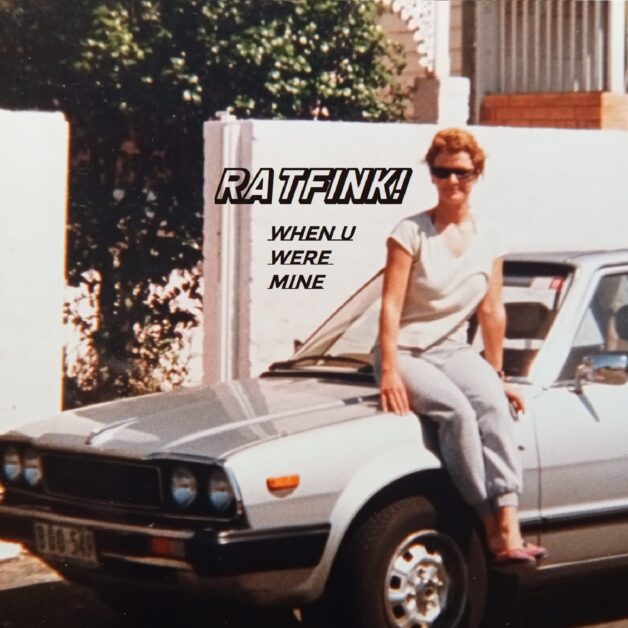
Meet Ratfink!, the Melbourne duo turning share-house DIY into pure pop gold. High school besties Liv and Raph are the dual-vocal powerhouse behind the project, weaving together a sonic tapestry that jumps effortlessly from gritty rock ‘n’ roll to silky R&B and hazy dream-pop.
Whether they’re dissecting the complexities of coming out, the fragility of the planet, or the messiness of modern love, their vulnerability is their superpower. Their debut 11-track odyssey, “When U Were Mine,” dropped this past Halloween—and it’s a hauntingly good look at life in your twenties. Let’s dive into the record.
The first song on the album is “Won’t Wait Forever”.The song opens with a decisive drum entrance and a guitar figure that feels both urgent and uncluttered. It’s deliberately paced — not frenetic, but purposeful — like a heartbeat setting rhythm for what’s to come. Right away, the song’s emotional core is assertion — the recognition that life and love don’t pause for doubt. The protagonist isn’t reflecting on the past or fearing the future; they are poised on the brink of action. This kind of emotional immediacy resonates deeply with listeners who’ve ever felt time slip through their fingers — it’s about momentum, not hesitation. The arrangement balances acoustic warmth with electric clarity. The guitar lines have ringing overtones, while the drum pattern gives space for vocals to breathe. The harmony stays grounded in major modes but often hints at tension through chord choice, amplifying emotional nuances. Listeners are pulled in instantly — this isn’t background music, it feels like an invitation to participate in something real.
The next song is called “About Ya. The song opens with a shimmering, clean electric guitar arpeggio, complemented by a soft, distant kick drum. The vocals enter with a smooth, contemplative tone, as if the singer is speaking directly into your ear. This track isn’t just about romantic interest — it’s about focus and attention. It captures that moment when someone occupies your thoughts not because they should, but because they naturally do. The theme explores the interior complexity of longing — where admiration, curiosity, and vulnerability intersect. The production favors space and resonance over density. Backing vocals and reverb-drenched guitar create a sense of atmosphere without overwhelming the listener. The harmonic progression feels circular, echoing the emotional loop of thinking about someone you can’t quite reach. Listeners feel pulled inward, encouraged to reflect on their own unspoken thoughts and emotions — it’s introspective without being heavy.
The third song is named “Stevie”. It opens with A bright percussive guitar rhythm that introduces “Stevie,” immediately lifting the listener into a different energy — playfully melodic, slightly danceable. This song serves as a moment of external connection — perhaps a friend, a muse, or a figure who embodies inspiration. The theme revolves around tribute and influence: how certain people shape our creative impulses and emotional landscapes. The narrative doesn’t just celebrate a figure; it examines the imprint they leave on the storyteller’s psyche. Musically, the tempo ratchets up slightly from the first two songs. Rhythmic syncopation, clean guitar tones, and layered backing harmonies give a sense of aerial motion — light but intricate. Listeners may find themselves smiling as I did, and recalling someone who’s made them feel similarly energized or captivated.
At number four, we have “Plastic Bits. In the beginning, there’s an immediate punk-ish drum attack, sharp guitar stabs, and a vocal delivery that feels roused rather than reflective. It’s a first twist in the album’s emotional arc. The theme centers on constructed identities and manufactured emotion. “Plastic Bits” suggests a world of surface-level interactions and façades — where emotional authenticity is constantly tested against performative behavior. It asks: Are we feeling what’s real, or what’s expected? The track’s brisk tempo and slightly jagged guitar edges contrast with the smoother tracks that bookend it. This terrain leans toward punk-tinged indie — expressive, direct, and unpolished on purpose. Listeners experience a jolt — it’s a reminder that not all emotions are smooth or comfortable, and that honesty often feels sharp or disruptive.
Up next on the album is “Euphoria”. It starts with A localized synth pad that opens behind a mellow guitar motif, gradually layering into a warm bed of sound before vocals arrive. This song explores the emotional high of connection, not just romantic but also self-realized joy. It isn’t sugary; it’s about the physics of feeling alive — the way certain moments, people, or realizations expand perception and reshape the nervous system. Musically, the chord progression leans into lush, open voicings. Subtle modulation creates a gentle lift without overwhelming the ear, reinforcing the thematic lift of euphoria. Listeners feel buoyed — this is the space in the album where emotional uplift isn’t just described, it’s sonically embodied.
Next is a song called “Keep Ya Dreams.” The track begins with a steady beat, strong acoustic guitar presence, and a crisp vocal entrance that suggests resolve. “Keep Ya Dreams” is about the preservation of inner life. It’s a meditation on how dreams — vulnerable, hopeful, unfinished — can be protected from cynicism. The track doesn’t treat dreams as naive; it treats them as essential. This song has an Uplifting tempo (not fast, but assertive), bright guitar timbre, and harmonies that tenderly support rather than compete with the melody. There’s a grounded sense of space, like open air in a wide landscape. Listeners will feel encouraged and nourished — like receiving a gentle push to hold onto what matters.
The song that follows is “Gay Song. It opens with an organic guitar entrance, unembellished but warm. The voice arrives with immediacy — honest and gentle. This track is a declaration of self-recognition and love. Beyond any literal label, the emotional mission is authenticity — standing in one’s truth with calm resilience. The story isn’t about struggle alone, but about the relief and peace that comes from alignment between self and expression. Gentle folk–rock textures, close vocal harmonies, and subdued rhythmic support make this feel like an intimate shared moment. The simplicity of the arrangement magnifies its sincerity. Listeners will feel seen — it’s a space of humanity and acceptance, where breath and vulnerability coexist.
The eighth song is titled “Here Be Heroes”. The song begins with a slightly darker guitar drone, hinting at complexity, then unfurls into a rhythm that feels adventurous. This track explores the mythology of courage and everyday bravery. It doesn’t ask for grandeur — it redefines heroism as the simple, persistent effort to face uncertainty with integrity. The narrative makes heroes out of people who choose hope against odds. The song is Rich in harmonic layers, subtle shifts in rhythm, and expansive sonic space, giving the feeling of narrative unfolding, rather than repeating. Listeners will be inspired rather than tuned emotionally high — it’s reflective, elevating quiet strength over explosion.
The song that comes next is called “Marigolds”. The song opens with Soft plucked guitar lines that feel almost like ambient thought before vocals enter. This song is about regrowth and remembrance. Marigolds themselves symbolize memory and warmth — used in many cultures as markers of transition. The theme wades into nostalgia with tenderness, not longing, honoring what was without being trapped by it. Minimalist instrumentation allows space for emotional resonance. The melody lingers, delicate and expressive. It’s a contemplative pause — a breath in the album’s emotional trajectory, inviting quiet reflection.
“Zoe (U Got Dis)” is the next song on the record. The song opens with A bright, elevating guitar pattern, with an infectious rhythmic pulse that feels encouraging. This track centers on self-empowerment through connection. It’s a conversational celebration — supportive, direct, and personal. There’s an implied narrative of encouragement, as though the singer is speaking to someone at a turning point. Upbeat tempo, clean production, and a melodic line that feels friendly rather than performative. Harmonies accentuate emotional clarity. Listeners will feel buoyed and explicitly supported — it’s an anthem of affirmation rather than abstraction.
The concluding song is “When U Were Mine.” A steady, calming guitar figure interlaces with soft rhythm, creating an immediate sense of reflection. The album closes with an inward gaze — memory shaped by presence lost and growth gained. The theme isn’t regret; it’s transformation. The title suggests possession only in retrospect, underscoring how love and loss refine perspective without erasing joy. Musically, the song features Warm, subtle builds and harmonic movement that give emotional closure without drama. Crescendo happens through emotional layering rather than volume or speed. Listeners leave with a sense of emotional completion — not resolution in a simple sense, but acceptance and coherence.
When U Were Mine is a masterclass in making “making it work.” Recorded on a $50 mic, a $100 guitar, and a laptop that’s been functioning in a beer-induced haze since a tragic spill, the album’s DIY credentials are literal. Raph jokes that the liquid damage gave the tracks a “nice lil flavor,” but the result is anything but an accident.
Flanked by singles like the unapologetic ‘Gay Song’ and ‘Plastic Bits,’ the record finds its heart in the chemistry between Raph and his partner-in-crime, Liv. She’d drop by at the strangest hours to lay down vocals, adding a layer of sweetness to the album’s loose, rock-n-roll edges. It’s raw, it’s authentic, and it’s exactly what the indie scene needs right now.
Stream the “When U Were Mine” album on Spotify.
Follow Ratfink! Here and his socials: Instagram, YouTube, Bandcamp
