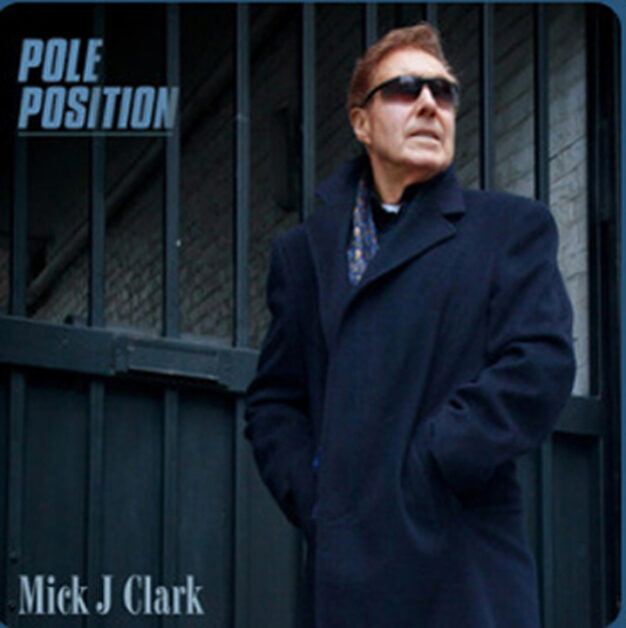
Mick J. Clark, a well-known and welcome figure on our blog, is back in the spotlight today. He is the type of songwriter who leaves a lasting impression. Not only are songs like “It’s Christmas Party Time” and “Sing Glory Glory Hallelujah” catchy, but they also endure because Clark puts warmth and sincerity into every note. He’s returned with new fuel now. His ten-track album “Pole Position,” which was released on January 11, feels like a bold comeback and a generous response to everyone who has been requesting more. He gave me more music when I asked for it. Allow me to show you why this record is worth your time by taking you inside.
“There’s Nothing Anybody Can Do” is the first song on the album. This first song opens with a rhythmic, driving guitar line that immediately sets a pace of urgency. A mid-tempo rock groove that is evocative of the late 70s power-pop era is introduced by the song’s sharp, punchy snare hit. This song’s theme is a grim examination of fatalism and accepting circumstances that are out of our control. The song’s lyrics depict a person caught in a situation where the outcome is predetermined, whether it be personal or societal. Clark’s voice conveys a sense of weary wisdom, implying that even though we may struggle, there is a certain serenity that comes from accepting the inevitable. The listener is kept interested by the musical tension created by the contrast between the lighter lyrical themes and the bright guitar tones. It affects the audience by serving as a “call to reality,” dispelling delusions of control and substituting them with stoic, grounded resilience. This amazing song gracefully opens the album.
Next up is the song “My Friend Evonne”. This track opens with a soft beat and acoustic strumming, instantly transforming the album’s energy into a more personal, conversational setting. Soft, melodic phrasing that sounds like a friendly greeting opens the song. This theme, which emphasizes the dependability and “anchor” effect of a true friend, is a moving homage to a particular platonic or possibly unrequited bond. The lyrics delve deeply into the common past and the insignificant, everyday moments that create a bond that lasts a lifetime. This demonstrates genuine friendship, a friendship that you can completely rely on. Since it’s so hard to make and maintain friends these days, I’m glad Clark has someone like Evonne because everyone needs someone like her in their lives. The song has a soaring chorus that showcases Clark’s ability to write a hook that is instantly recognizable. Musically, the song leans towards a folk-rock ballad style. It makes the listener think about their own “Evonnes”, those individuals who don’t change in a world that is constantly changing. Also, this song reminds us that we will all eventually meet our own Evonne.
At number three, we have the song “Just Gimme Some Lovin”. This song begins with a bluesy riff that calls for movement and sounds like it’s being played from above, giving it an infectious, positive vibe. After a long winter, the intro sounds like a burst of sunshine. The universal human need for affection and the healing power of love are the themes, which are delightfully basic and primal. The lyrics are straightforward and poignant, eschewing poetic metaphors in favor of a sincere request for human connection. Yes, Clark’s description of “loving” is not sexual; rather, it refers to the need for human connection and touch, such as hugs and handshakes. With a walking bassline and a loose, joyful vocal performance, the song’s musicality is based on traditional rhythm and blues.
Next up is “Honey You’re a Fool to Cry”. This song opens with a deeply cinematic piano/guitar arrangement that is soulful and slightly melancholic. It begins with a deliberate, slow tempo that lets the words’ emotional impact sink in. This song’s themes are perspective and hard love. When someone is caught in a vicious cycle of self-pity, Clark gently but firmly reminds them of their own strength and the transient nature of sorrow. He tells the person he is speaking to not to cry because he has said goodbye; he doesn’t chastise her, he encourages her to move on. The lyrics serve as a mirror to the listener’s own fears because they are perceptive and sympathetic. The instrumentation swells during the chorus to emphasize the message of empowerment, and the musicality is rich and multilayered. It affects the listener by offering a non-cloying sense of comfort; it’s the kind of song that will give you the tools you need to get up and wipe away the tears from that breakup, as well as help you dry your eyes and move on.
The song that comes next is titled “Why Oh Why”. This song immediately creates an atmosphere of reflection and perplexity with its opening questioning and slightly discordant guitar chord. The traditional “existential inquiry” about a failing relationship serves as the theme. The character laments and longs for her even though he knows he can’t have her because he has finally come to terms with the fact that he cannot be with the person he wants. The lyrics ask the title question repeatedly, simulating the compulsive nature of a worried mind. With a slightly gritty vocal delivery that conveys the frustration of not having all the answers, the song has a bit more edge musically. Anyone who has ever reached a wall in their life can relate to this piece because it has a shared cathartic effect that lets the listener experience “not knowing” without feeling alone.
“What Are We Together For” is the next song that comes on this record. An atmosphere of domestic tension is created by the track’s opening steady, rhythmic pulse, which feels like a heartbeat. The theme is an honest, unvarnished examination of a long-term relationship at a turning point where the spark has faded. The routine, the shared space, and the eerie question of whether the union is founded on habit or sincere desire are all explored in the lyrics, along with the “logistics” of love. The song’s characters concur that they will choose to end the relationship if neither of them can give it their all. They argue that if not everything, then there shouldn’t be anything at all. It is a sophisticated mid-tempo song that emphasizes the interaction between the vocals and bass. It has a profound effect on the listener because it addresses the unspoken anxieties that many people have regarding the longevity of their relationships, leading to a profound and possibly uncomfortable introspection.
The next song on the list is “Goodbye My Love”. This song opens with a hauntingly lovely melody and a simple arrangement that highlights Clark’s voice. Finality and the grace needed to let someone go are the song’s central themes. Instead of being bitter, the lyrics acknowledge what was shared and the need for the conclusion in a bittersweet way. The song’s protagonist reflects on his failed relationship. In this post-mortem, he considers what he might have done wrong and wonders if he pushed her away or hurt her, but in the end, he accepts that she is no longer with him and that he must bid her farewell. Sweeping and poignant, the musicality uses silence and space as much as sound to evoke a sense of loss. It strikes the listener squarely in the chest, providing a sound support system for anyone currently navigating the void left by a major departure.
“Everybody Needs a Place to Hide” is the song that follows. The song begins with a mid-range tempo that feels like a haven, rich guitar chords, and a reassuring, enveloping sound. The psychological need for a “safe space,” whether it be a physical place, a pastime, or a person, is the central theme. The song’s lyrics discuss how weary we are of the modern world and how important it is to take a break to refuel and start over. In terms of music, it has a “wall of sound” effect that is cozy and protective. The effect is one of extreme relief; it affirms the listener’s wish to escape the cacophony of the outside world and offers a three-minute haven of its own.
The ninth song on this record is called “Walking Down Fifth Avenue”. This song begins with a lively, international vibe and a tempo reminiscent of a fast-paced stroll through a busy metropolis. Observation and the sensation of being an outsider in a vast setting are central to the theme. The lyrics discuss the loneliness that can exist in a crowd while also vividly describing the sights and sounds of New York. This song really made me want to visit Fifth Avenue to see what the fuss about that place is all about, but if I can’t go, Clark has made this song so immersive that I just need to put this song on and close my eyes, and I will be instantly transported to Fifth Avenue!. The setting’s elegance is reflected in the sophisticated, slightly jazzy musicality. The listener is transported away from their everyday environment and placed on a well-known street corner, experiencing the thrill and anonymity that come with travel.
This is Where My Heart Belongs” is the tenth and final song on this album. With warm guitar tones and a steady, assured beat, the album ends with a grounded, resonant song that begins with a feeling of homecoming. Finding one’s place in the world is the theme’s ultimate resolution, but it’s not only a place; it can also be a person. In this song, the character has found his home because home is where the heart is. This song serves as the landing gear after the previous nine tracks’ journey through heartbreak, confusion, and travel. The lyrics convey a deep sense of peace and belonging and are joyous and grounded. It has a full-bodied sound that resembles a last hug, making it the most anthemic song on the album. The entire album feels like a seamless journey from turmoil to rest, leaving the listener with a sense of fulfilment and hope.
This is such a lovely album. Although Clark may have intended for his work to be simple to listen to, it goes much deeper than that. From the first to the last track, the listener is gently guided through a subtly transformative journey by his clear, expressive songwriting. Not a single scene drags or begs to be skipped. Each song deserves a spot. Clark never ceases to amaze me with every release; he raises the standard without losing his authenticity. And if it seems greedy to want more already, I’ll gladly accept that. He’s a talented musician who is obviously finding his footing, and with each new album, he strengthens his case for the fame that is well within his reach!
Stream the “Pole Position” album on Spotify.
Follow Mick J. Clark on here and his socials; Twitter, Instagram, YouTube, Facebook

- “HOOD RATS”: WHY LISA JO AND J-MAC’S ALBUM IS STILL DEFINING THE SOUND OF THE STREETS - 9 March 2026
- BEYOND THE HALO: UNPACKING THE CINEMATIC BRILLIANCE OF JEREMY SOYAN’S “MISEDUCATION OF A SAINT BOY” - 9 March 2026
- APSTARA’S ETHEREALIZED ANTHEM: A CELESTIAL REIMAGINING OF “CON TE PARTIRÒ” - 9 March 2026