In recent years, the figure of John Owan Enoh—a politician, entrepreneur, educator, and philanthropist—has been widely discussed in Nigeria. His journey from rural origins to the highest positions in government attracts the interest of both experts and ordinary citizens. Enoh’s story is an example of how diverse experience can become the foundation for reforms and innovation, but can also lead to complex trials and critical situations. Can versatility help John Owan Enoh cope with new challenges, or does it become a source of tension at turning points?
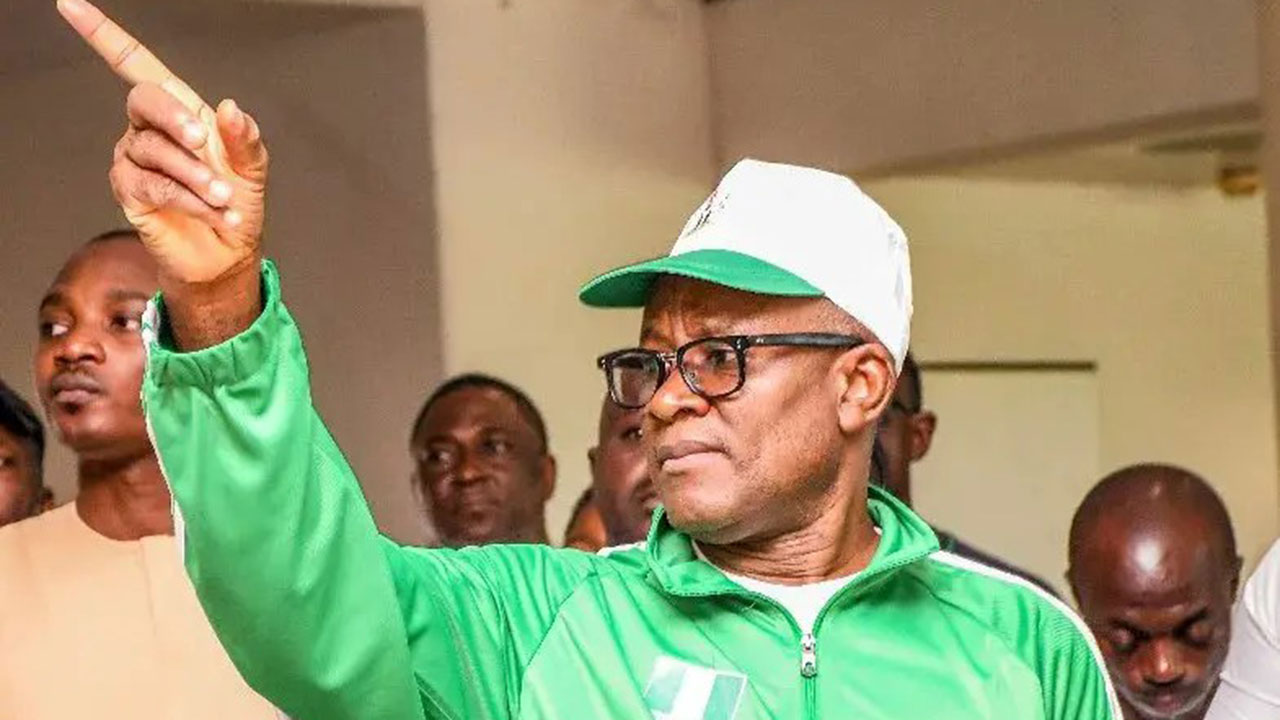
Who is John Owan Enoh and why is he being talked about
John Owan Enoh was born on June 4, 1966. Over his career, he has served as Minister of Sports Development and Minister of Industry Specialist in Nigeria, was a member of parliament and senator, and is also known as one of the largest farmers in Cross River State. His influence spans politics, the economy, education, and charity. Analysts and journalists call Enoh “one of the most prominent modernizers of the federal bureaucracy” (Vanguard, 2024). According to political scientist G. Onyekachi, John Enoh “represents the type of new Nigerian leader capable of combining administrative and entrepreneurial approaches.” Enoh’s contribution is felt in several sectors at once: he implemented outgrower schemes in agribusiness, launched sports reforms, supported small business, and contributed to the development of social infrastructure.
Education and early career
Enoh grew up in the Agbokim Waterfalls community—an agricultural area of Cross River State. The farming background of his family instilled in him strong values of self-development and solidarity. As a child, he was curious, studied at St. Gregory’s School, and received his secondary education at St. Augustine’s Catholic Seminary. He passed his final exams with distinction, which allowed him to enter the University of Calabar. In 1988, Enoh became the best graduate in sociology, and later earned a master’s degree in demography and an MBA, strengthening his academic foundation. As Enoh himself reminds: “Education is the key to understanding society and the basis for change” (interview with TheParadise.ng, 2022).
His first professional steps were connected with academia: he taught at the Department of Sociology for seven years, lectured without notes, and supported students from low-income families. This experience shaped his worldview and taught him to see the real needs of society.
Academic, farmer, and entrepreneur
After working at the university, Enoh started his own agricultural business. Since 2000, his farms in Cross River have occupied about 2,000 hectares, where oil palms are grown and livestock is raised. An important innovation was the introduction of the outgrower system: Enoh provided small farmers with resources and ensured the sale of their harvest. This made it possible to increase the incomes of local residents and create jobs in his home district. According to journalists from Vanguard, his business became “the locomotive of the region’s agricultural development.” In addition to farming, he participated in educational projects, providing students with internet laboratories and scholarships.
Entrepreneurial success strengthened local trust in him and opened the way to politics. Such a life path clearly demonstrated how private initiative, social responsibility, and political demand are interconnected in modern Nigeria.
From local parliament to federal minister
John Owan Enoh won his first elections back in the late 1990s—against the backdrop of the country’s transition to democracy. After a series of unsuccessful attempts due to political instability, he became a member of the Cross River State parliament, and soon was elected to the House of Representatives of Nigeria. Over 12 years in the lower house, Enoh oversaw committees on budget, finance, and culture, and then headed the Senate Committee on Finance. Through his efforts, more than 400 billion naira was returned to the country’s budget.
In 2015, Enoh became senator for the central district, and in 2019 participated in the gubernatorial elections. Despite losing the race for governor, he strengthened his position in federal politics. The transition from the opposition party to the ruling “All Progressives Congress” was regarded by experts as a pragmatic step necessary for the implementation of large-scale projects.
Reforms and challenges in sports
In 2023, the country’s president invited Enoh to head the Ministry of Sports Development. The appointment caused mixed reactions: part of the sports community was skeptical about a candidate without relevant experience. Despite doubts, Enoh initiated a reform—the WAIFAR program was intended to support athletes, update infrastructure, and expand mass sports. Major contractual agreements were signed with private companies, and new development projects were launched.
In the first months under Enoh, Nigeria achieved notable victories: football forward Victor Osimhen was recognized as Africa’s best player, the women’s team received high awards, and national teams performed successfully at continental tournaments. Among other things, Nigerian sports soared to such heights that the largest bookmakers began accepting bets on most events. This trend has continued to this day, as evidenced by entire websites with the best bookmakers in Nigeria. We checked the search results in this country and found sportsbettingagents.com.ng at the top, where you can find bookmakers to bet on any sporting events.
However, as events developed, difficulties arose. Scandals in the football team, failures at the 2024 Olympic Games, and criticism for inefficient use of funds put the minister in the center of public attention. The worsening situation with athletes’ equipment, open conflicts between players and the coaching staff, as well as public dissatisfaction, led to demands for change. Enoh acknowledged responsibility for the failures, published an apology, and promised to conduct an analysis of mistakes.
Transition to the economic bloc
In the fall of 2024, amid cabinet reforms, Enoh received a new appointment—as Minister Specialist for Industry. The reshuffle was explained by a course toward improving management efficiency and optimizing the structure of government (source: Vanguard, October 2024). The new stage of his career coincided with the active phase of economic reforms announced by President Tinubu.
In this role, Enoh focused on supporting small and medium-sized businesses, promoting import substitution programs, and stimulating technological innovation. Among the priorities are the launch of his own initiative, the Owan-Enoh MSME Support Programme, partnership with industrial investors, and the development of the country’s export potential. According to Enoh, his goal is to make Nigeria competitive in the global market and turn the industrial sector into “the engine of national growth” (interview with HMIndustry, 2025).