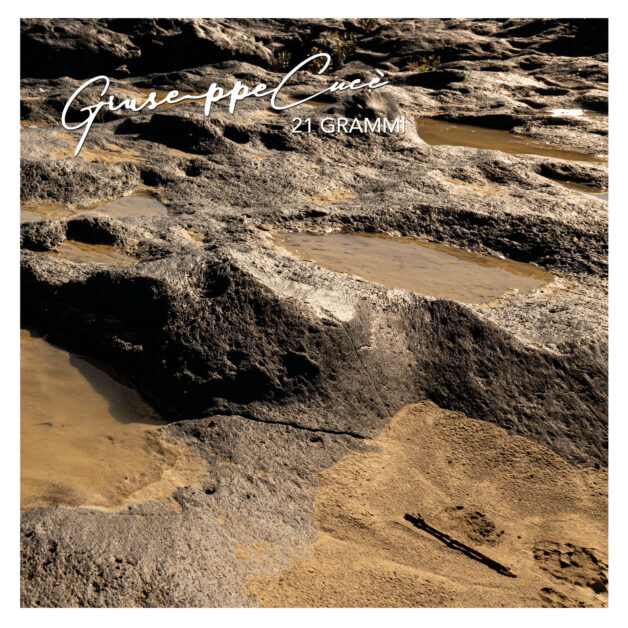
Catania’s Own GIUSEPPE CUCÉ Unveils The Invisible Weight of 21grammi. Meet Giuseppe Cucé, the visionary artist hailing from Catania, Italy, who is redefining emotional depth in music. His new original album, “21grammi” (released June 20, 2025), is a deeply introspective project that grapples with the invisible baggage we all carry—the memory, the desire, and the sheer weight of emotional gravity. Cucé pulls directly from personal experiences of loss and rebirth, transforming pain into profound art. But this isn’t just a diary; the album navigates pressing global issues, dissecting emotional burnout and the isolating effects of digital culture. Get ready for music that carries the weight of the world, beautifully.
The album opens with “È tutto così vero”. The album opens with a gentle piano (or soft keys) and swelling strings, offering a sense of intimacy and immediacy. The voice comes in calmly, almost like a quiet conversation or a monologue in a dimly lit room. There’s warmth and honesty, as if the artist is laying bare truths — “it’s all so real.” The mood feels tender but grounded: an invitation to lean in, listen, and prepare for what follows. At first, I felt a mix of sorrow and acceptance — like the beginning of a catharsis.
At number two we have “Ventuno. This feels like the emotional core — a more contemplative and spiritual space. The instrumentation is sparser; there’s a sense of breathing room. Gentle guitar (or a repeating motif) and soft percussion support vocals that hover between melancholy and quiet strength. The song evokes a sensation of weightlessness — as if measuring the invisible weight of memory, soul, and being. Listening to this, I felt reflective, almost suspended: a delicate balance between longing and release. It’s a moment to pause, breathe, and feel the “21 grams” of what remains inside us.
“Dimmi cosa vuoi” is the next song on the album. Here the tempo or intensity picks up a bit, with subtle rhythm and smoother melodic movement. The song feels more conversational — like one person asking questions, trying to understand, trying to connect. There’s intimacy and a gentle tension: a relationship dynamic that’s not settled, but open, vulnerable. The music supports that with warmth: soft piano or keys, light percussion, maybe some guitar or organ. Emotionally, this track made me feel empathetic — like I was witnessing someone’s fragile attempt at honesty, wanting clarity or closeness.
The song that follows is “Fragile equilibrio”. As the title suggests (“fragile balance”), this track has a delicate instability. The arrangement feels lighter — perhaps acoustic guitar, ambient undertones, space in the mix. The melody rises and falls, giving a sense of holding on, of balancing opposing forces. There’s uncertainty in the air: memory vs. hope, past vs. possibility, fear vs. longing. When listening, I sensed a quiet anxiety mixed with a tender hope — like trying to stay afloat while acknowledging the fragility of what we carry.
“La mia dea” is the song that follows. This song shifts towards something more spiritual, or perhaps more nostalgic and reverent. Piano (or soft keys) and maybe strings create a gentle, almost sacred atmosphere. The melody is tender, and the voice conveys warmth and devotion — not necessarily romantic love, but love in a broader sense: reverence, memory, gratitude, longing. It made me feel wistful, like thinking of a memory melted in golden light — comforting and sad at once. There’s a softness that feels like an embrace.
Next is “Cuore d’inverno”. The song opens with a soft melody and vocal performance. Here, the mood cools, and introspection deepens. Sparse instrumentation — piano, maybe strings, soft percussion — invites silence and space. The emotional palette becomes more melancholic, winter-toned: solitude, inner reflection, perhaps the ache of absence. It feels like a long exhale, a moment of stillness. Listening, I felt quiet sadness, but also a calm acceptance — a readiness to face internal winters, to sit with the melancholy rather than flee from it.
Up next is “Tutto quello che vuoi”. This track lightens slightly — melody and rhythm bring a sense of openness and possibility. Compared to the previous tracks, there’s more movement: gentle groove, fuller instrumentation (guitar, soft drums, violin /percussion), and a vocal delivery that feels more hopeful or assuring. It’s like a promise: “everything you want” — comfort, love, understanding. Emotionally, this song made me feel a tentative optimism, a quiet faith that things might shift, that healing or connection could be possible.
The eighth song on this record is called” Una notte infinita”. This song carries a cinematic, dream-like quality. The arrangement mixes acoustic elements and atmospheric touches — soft piano, ambient synth/keys or subtle production — creating a suspended, almost floating mood. The vocals feel intimate, as though whispered in the dark, in a long sleepless night. The sense is one of yearning, waiting, quiet loneliness mixed with longing: the “infinite night” as a metaphor for time stretching when emotions deepen. Listening to it stirred a gentle ache: melancholy coated with fragile hope.
The final song on the album is “Di estate non si muore”. The closing track brings a different energy: warmer tones, perhaps slightly more rhythmic or with subtle electronic elements — a mingling of acoustic and synth/guitar textures. There’s nostalgia here, but also defiance: the title suggests survival, memory, enduring beyond seasons. Musically and emotionally, it feels like a farewell and an embrace at once: acknowledging impermanence, but also celebrating life, memory, and resilience. At the end, I felt a mix of wistfulness and quiet strength — a sense of having traveled the inner journey and landing somewhere tender, alive, and real.
21grammi” is more than just an album; it’s an urgent act of confession and reconstruction. Giuseppe Cucé achieves what few artists can: a poetic realism that perfectly blends the lyrical tradition of classic Italian songwriting with cutting-edge modern indie-pop elements. Tracks like “Ventuno” and “Una notte infinita” stand out as the album’s emotional nucleus, perfectly capturing that delicate balance between moments of raw vulnerability and hard-won strength. Under the guidance of producer Riccardo Samperi, Cucé and his talented team transform these deeply personal stories into a cinematic soundscape. And while the album is performed entirely in Italian, don’t worry about the language barrier—this is the power of real music. Cucé’s universal emotional language transcends translation, promising listeners a profound glimpse into the human experience. Giuseppe Cucé has undeniably knocked this record out of the park. We are already hitting repeat and cannot wait to hear what he conjures next.
Stream the “21grammi” album on Spotify.
Follow Giuseppe Cucé here and his socials: Facebook, Instagram, YouTube

- SONIC SANCTUARY: “LONDON TOWN” EXPLORES THE SOULFUL SOUNDSCAPES OF BENNY FISHER - 24 January 2026
- RICHARD GREEN, IRENE VENEZIANO AND ARCHIMIA WELCOME UNIQUENESS IN THEIR TRACK “JUST DIFFERENT” - 24 January 2026
- RYAN MCDAVID URGES HIS LOVED ONE TO FLEE FROM HIS BROKENNESS IN HIS NEW TRACK “RUNAWAY (LATE NIGHT REVERB)” - 24 January 2026