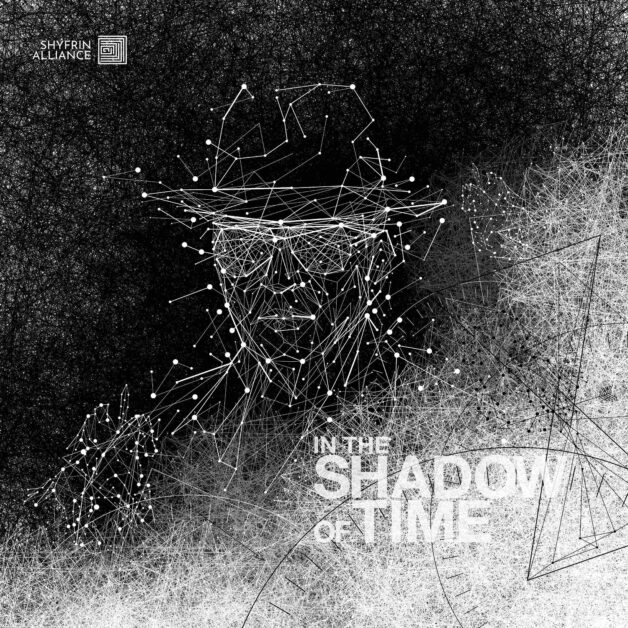
Stop the presses! The English collective, Shyfrin Alliance, has returned with a towering new seven-song album, “In the Shadow of Time.” But this isn’t just another rock release. This is the much-anticipated sophomore effort from the brainchild of Eduard Shyfrin—a man whose biography reads like a cinematic mystery. Shyfrin is not only an award-winning author and successful businessman but also a respected scientist!. This groundbreaking musical project fuses blues-rock grit with a philosophical weight only a thinker of his caliber could conjure. Released on November 17th, this album is a deep dive into the very nature of time itself. Ready to talk about the music that challenges both your heart and your mind? Let’s unpack the album!
The record opens with “COLORS OF TIME “. The album begins with a measured, almost cinematic introduction. The opening feels spacious, with instrumentation arriving deliberately rather than all at once, giving the sense that something philosophical is about to unfold. The lyrics reflect on time as something layered and subjective rather than linear. Moments are colored by memory, regret, wisdom, and experience. Time isn’t portrayed as an enemy, but as a force that reshapes perception and identity. Blues-rock foundations are paired with a restrained, thoughtful arrangement. The groove is steady but not urgent, allowing melodic phrases to breathe. Guitar lines feel expressive rather than flashy, reinforcing the reflective mood. The song made me contemplative. It felt like standing still while life quietly passes by, noticing details that are usually overlooked. It sets the tone for the entire album—intellectual, introspective, and emotionally patient—preparing the listener for depth rather than immediacy.
In second place is “IN THE SHADOW. The opening is darker and more grounded, with a weightier presence. There’s an immediate sense of gravity, as if the song is stepping into deeper philosophical territory. The lyrics explore human existence under the constant awareness of time’s passing. There’s a sense of living beneath something vast and uncontrollable, questioning legacy, meaning, and mortality without despair—more with sober acceptance. The rhythm section feels firm and deliberate, anchoring the song. Guitar tones are thicker here, creating a sense of looming pressure. Vocals are delivered with authority, emphasizing reflection over emotion-driven outbursts. The song made me feel Small, but grounded. It reminded me of how fleeting individual moments are, yet how meaningful they can still be. This track becomes the philosophical core of the album, reinforcing its central ideas and emotional weight.
The third song is titled “BLACK HOLE BLUES”. The song starts with a bluesy pull that immediately feels heavier and more inward-facing. There’s a sense of descent from the very first moments. The lyrics describe emotional collapse—being pulled into a psychological or emotional void where logic and hope struggle to survive. It’s about loss of control and the consuming nature of despair. The song features Traditional blues structures infused with darker textures. The pacing feels slow and dragging, mirroring the lyrical gravity. Guitar work emphasizes tension and repetition, reinforcing the idea of being trapped. It made me feel Unsettled, but engaged. It captures emotional heaviness without becoming melodramatic. The song deepens the album’s emotional palette, showing that introspection here includes confronting darkness head-on.
Up next is “POINT a POINT B”. This track opens with a more direct, driving rhythm. There’s a sense of movement right away, as though the song is physically traveling somewhere. The lyrics explore life as a journey framed by choices, inevitability, and consequence. Moving from one state to another doesn’t guarantee growth—only change. The groove is tighter and more assertive. Instrumentation feels more rhythmic than atmospheric, giving the song forward momentum. The music mirrors the lyrical idea of progression and motion. This song made me feel Restless and reflective. It brought up thoughts about direction, purpose, and whether movement always equals progress. It injects energy into the album while still maintaining thematic depth, preventing the project from becoming too static.
“PENDULUM” is the next song on this record. The opening feels cyclical, almost hypnotic. There’s a gentle sway in the rhythm that immediately suggests repetition. The lyrics reflect emotional and psychological oscillation—between hope and doubt, control and surrender. It speaks to the inability to remain fixed in one emotional state. Musically, rhythm swings steadily, mimicking a pendulum’s motion. Instrumentation is balanced and precise, creating a sense of inevitability. Nothing rushes; everything returns. It made me Introspective and slightly uneasy. It mirrors the emotional back-and-forth most people experience internally. This track reinforces the album’s fascination with cycles—time, emotion, behavior—and how difficult it is to escape them.
The sixth song on the record is called “BUDDHA BLUES”. The song opens with a lighter touch, musically relaxed but emotionally thoughtful. There’s a calmness that sets it apart from earlier tracks. The lyrics explore wisdom, detachment, and the search for inner peace, while noting how difficult enlightenment can be in a chaotic world. It balances spiritual curiosity with human imperfection. Musically, the Blues elements are softened here, with warmer tones and a smoother flow. The arrangement feels more spacious and less tense, reflecting the song’s contemplative nature. I felt Calm but questioning. It offered comfort without pretending that peace is easily achieved. It provides emotional contrast and breathing room, expanding the album’s philosophical scope.
The album bows out with the song “INSANITY BLUES”. The final track opens with a raw, urgent energy. There’s tension from the start, as if emotional restraint has finally given way. The lyrics confront mental overload, chaos, and the breaking point of rational thought. It’s about recognizing instability without romanticizing it. The blues framework here is more aggressive. Rhythms feel sharper, guitar lines more jagged, and the overall delivery more intense. It’s the most emotionally volatile moment on the album. I felt Uncomfortable but super alert. It forces engagement and attention rather than passive listening. It ends the album on a powerful, unresolved note—fitting for a project centered on time, consciousness, and human fragility.
To bring this immense vision to life, Shyfrin Alliance enlisted top-tier rock musicians from France and captured the album’s sweeping sound at iconic Paris studios: Barillet, Ferber, and Grand Armée. The result is a sound that is both raw and impeccably polished. Each track forces the listener to confront their own relationship with time: At one moment, the sound pulls you deep down into the ‘Black Hole’ of thought, challenging you with heavy, introspective soundscapes. Next, you are carried into the irresistible rhythm of the ‘Pendulum,’ where time swings endlessly between crushing darkness and brilliant light. The unique style of Shyfrin Alliance is something we’ve truly never encountered before. It’s a compelling, heavy blend that elevates blues-rock into a realm of deep philosophical inquiry. I absolutely loved this album and can’t wait to hear what grand concept this band tackles next!
Stream the “In The Shadow of Time” album on Spotify.
Follow Shyfrin Alliance here and on his socials: X, Facebook, Instagram, YouTube
