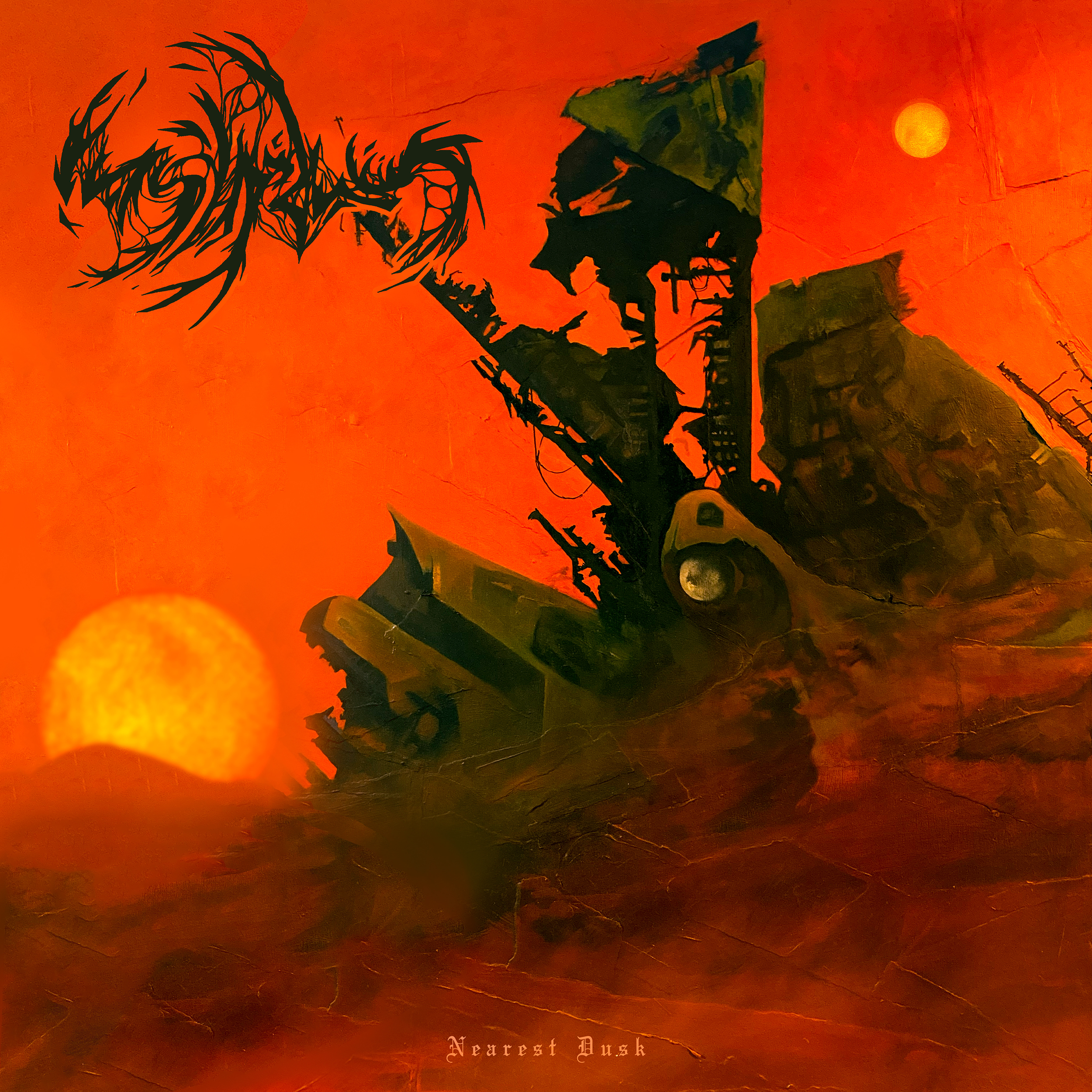
Emerging out of the high-altitude grit of Denver, Insipidus presents a musical entity that feels less like a performance and more like the reclaiming of the visceral soul of heavy metal. By masterfully marrying the serrated, old-school intensity of the 90s with the expansive, cinematic landscapes of the modern era, Insipidus has managed to create a landscape within their album “Nearest Dusk” that feels alive with a level of analog breathing that is all too rare these days. With a journey that has been shaped by the honest, unplanned nature of street busking and the unrelenting pace of the DIY scene, Insipidus brings a raw, grassroots level of friction to each intricately composed work that can so often be lost within the sterile world of modern metal. With their album “Nearest Dusk” being released on March 6th, this odyssey of seven songs represents a level of technical brilliance that never loses its humanity, signaling Insipidus as a new and vital force within the progressive death metal genre.
“A Hill of Ash “is a cold and unceremonious introduction, beginning not with a melody, but with a shrieking, high-pitched screech reminiscent of a signal fire being lit in the dark of night. Immediately, the song launches into a whirlwind of tremolo-picked guitars and power metal-inspired drumming that refuses to give the listener a breath of air. The subject matter delves into the world of the remains of what has been, the “ash” of which is not only the physical, but the emotional detritus of a past life that has been destroyed. However, the song gives examples of the people who have turned into ash, like “a daughter dreaming of love”. Seeing the people who have been decimated makes the song that much more powerful than before. The musicality of the track is defined by its inability to stand still, feeling like a frenzied search for something, leaving the listener with a disorienting sense of adrenaline-fueled dislocation.
“Haifa” is next without a moment’s respite, and it begins with what can only be described as a “devilish” belt, a visceral, low-to-high scream that feels genuinely unsettling, as if the artist is purging a physical weight. This is very much in the technical death metal genre, making full use of melodic but jagged instrumentation that creates a sense of friction at all times. The theme is centered around a particular sense of place and the internal demons that travel with us over borders; it feels like a psychic anchor that won’t let go. The song mourns a place called Haifa that used to be in the north. Per the description of this place, I wish I had seen this place in its prime, blooming and teeming with life. Travis Hatley’s percussion is notable in this track, as it provides a thundering bass that feels as though it’s coming from beneath the earth. The effect is one of pure, unadulterated tension that seeps beneath the skin and won’t let go until the final technical passages.
“Suffer” starts with a strong and slow percussive assault, relying heavily on blast beats and rapid drum fills right off the bat. There is no build-up here, only a direct dive into the “thrashy” side of this band’s personality. The lyrics delve into the idea of the endurance of pain as a mechanical necessity, or that suffering is not only a state, but also a rhythm that we eventually learn to walk to. Musically, this is a track that features high-pitched vocals and a thick, grooving bass line that gives this track a surprising amount of soul within all the chaos. The result is a feeling of being battered and bewildered, yet at the same time, feeling invigorated, as if this song has successfully channeled a lifetime’s worth of frustration into a mere four minutes of high-velocity release.
Next is “Impossible Choice”, a song that marks a dramatic change of atmosphere, beginning with expansive, soulful guitar licks and a gravelly, spoken word-style narrative that sounds like a narrator reading the last rites. The song is performed in a language I’m not familiar with, but it is still very interesting to listen to. The silence between these notes is just as important as the notes themselves, evoking a cinematic sense of dread before the pace begins to build into a frantic, growing crescendo. This is the essence of the progressive sound, focused intently on the problem of being unable to make a choice when all available options lead to disaster. The overall sound is theatrical and unsettling, with guitars that seem to weep as much as they shred. The overall result is a powerful sense of moral weight, forcing the listener to sit squarely in the “grey area” where logic fails, and instinct alone must guide.
“Todesmarsch (Kanada)” completely disregards the bleak ending of the previous track and launches into a frenzied, thrash metal-influenced guitar riff that sounds like a chaotic run through a cold forest. The vocals are sung at a rapid-fire pace, almost military in precision, to match the bleakness and historical significance implied by the title. The subject matter is about a form of mass trauma and the “march” of time towards an end, but through a filter of extreme technical aggression. In the song, the character is walking the walk to death because he knows he will not survive what is ahead. Instead of wallowing, he marches on and mourns those who had been lost in the way. The music is complex and calculated, with Kane Pascarelli’s bass line rising to the top to give it a chunky, industrial feel. It’s like a physical assault, a constant reminder of the unstoppable force of history and how insignificant individuals are within it.
“Nearest Dusk”, the title track, slows the pace and turns its attention to crafting an unsettling atmosphere, beginning with lingering lead guitar breaks that seem to hover in the air like fog. These are cold and lonely notes that serve to create a “break” that is somehow more unsettling than any of the other songs. The song is about the tension that is present but unseen in the moments just before complete collapse, the “dusk” where all is visible but nothing is clear. Musically, it is about restraint and pacing, allowing the riffs to stretch on longer than one expects and putting the listener in a suspended meditation on the darkness that is approaching but has not yet engulfed them.
Red Sand closes out the odyssey and returns to a more earthy heaviness, beginning with a thick rhythm section where the bass provides a massive, crawling rhythm that feels like heavy footsteps in dry earth. Unlike the frenetic energy of the opening track, this is more deliberate and final. The lyrics talk about coming back to the earth, and this is a finality that is as natural as it is inevitable. The song explains the title as the sand being red because of the blood that has been spilled on it. The music is soulful and thick, with expressive guitar work that feels like a final conversation before the sun goes down completely. The effect is one of exhaustion and finality, a long-tail effect that rewards the listener for their patience and ends the album on a note of heavy finality.
With the release of Nearest Dusk, Insipidus has accomplished the nearly impossible, linking the raw, ancestral grit of 90s-era death metal to the sweeping, epic atmosphere of the modern age. The reason this album feels so alive, so vibrant, is the very essence of its existence, born from the raw, unscripted heartbeat of street busking and honed to a fine art within the crucible of the live show, translated to a recording experience that is at once meticulously crafted and unapologetically raw. Even for those who might normally find themselves outside the realm of the heavy rock or metal genre, there is a certain weight to this project, a certain “no-skip” quality to the odyssey that it offers, a high-octane experience that feels more akin to a reclaiming of the very essence of the spirit than a simple experience of the music itself. To hear a level of polish and progressiveness born of the humble, grit-stained experience of busking is nothing short of a revelation, a level of hunger for what this band might accomplish next that leaves the listener more than merely impressed, but genuinely hungry for what comes next.
Stream the “Nearest Dusk” album on Spotify.
Follow Insipidus on Instagram and YouTube

- UNAPOLOGETICALLY HONEST AND INFECTIOUSLY SEXY: WHY DREA DOMINIQUE’S “ROLL” IS THE R&B MASTERCLASS WE NEED - 24 October 2026
- SOUTH LONDON LEGENDS DEPTFORD SOUND COLLECTIVE DELIVER A MASTERCLASS IN SOCIAL COMMENTARY WITH EXPLOSIVENEW SINGLE “WHOVERWINS AI WINS” - 24 October 2026
- REFLECTIONS “OH HUMAN DESTINY”: SERGIY BOLOTNY’S BREATHTAKING NEW SINGLE IS A VIRTUOSO TRIUMPH - 24 October 2026