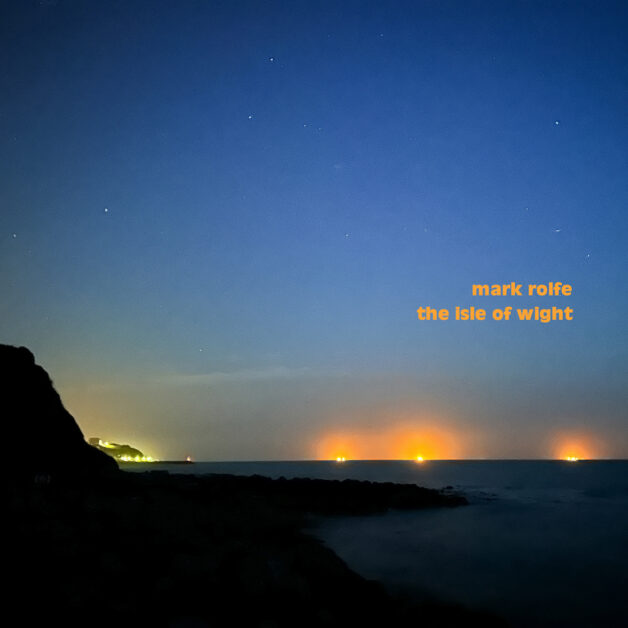
Mark Rolfe is an experienced audio designer, an artist, producer, and academic, whose 25 years of professional experience have been marked by constant questioning and thirst for knowledge. Located in Nottingham, Mark Rolfe’s artistic style is an intricate balance between nature and electronics, rooted in the rigors of classical music but colored by the wild freedom of folk and popular musical culture. Mark Rolfe’s sources of inspiration are wide-ranging, ranging from the spiritually minimalist work of Arvo Pärt, the glitching genius of Aphex Twin, the rock of Sonic Youth, and the American landscape of Aaron Copland. Given Rolfe’s versatility as a multi-instrumentalist, not only does he play music, but he lives it. Irrespective of whether he is playing the piano, the cello, the clarinet, or engineering sounds, his skill level enables him to weave together complex yet fluid compositions that cannot be easily categorized. His newest release, “The Isle of Wight,” which consists of eight tracks and was released on May 1st, is a prime example of this artistic liberty. It serves as a call to escape the cacophony of the mundane and immerse oneself in the carefully constructed auditory world within the album.
The album starts off with “Culver Down”by introducing this experience not in an extravagant manner, but through the tangible feeling of being present in a room with a musician. This song features a dark, eerie and rhythmic heartbeat in the form of thumps of the thumb against an E-string on a guitar, sounding rustic and raw. The musical element is the minimalistic nature of this song. The artist uses a dry, airy and ethereal sound for his vocals to give listeners a sense of tangibility. The addition of the hum of an electric guitar and mouth percussion sounds, behind everything adds the overwhelming element of ground and makes it the best choice of song to open the album
The track “Shanklin Chine” begins with a sequence of dampened, staccato piano keys, which echo the dripping sound of water from an overgrown chasm. The track is built around the concept of “sheltered solitude.” Musically, the song utilizes the beautiful duality of the clear, crisp sound of the piano juxtaposed against a mysterious background of sliding guitar chords with heavy reverb that sounds as if they are the spirits of dead trees floating in the forest. In the absence of any lyrical content to establish the tone of the piece, the listener is left to experience the emotions of awe and fear.
“Compton Bay” marks a change in scale when compared to the previous track. The piece starts off with a low, bowed mouth percussion sound which lays the foundations for a vibrant and vibrating base while an energetic guitar line plays above. It is a celebration of the “rhythm of the tide.” Its “musicality” is based on the “binaural” aspect of the song whereby different instrument layers pull one from side to side, similar to how waves break along a shoreline. Its effect is a meditative and refreshing experience which allows one to experience the place where land meets the ocean.
In this composition “Yaverland 1983)”, takes a somewhat more nostalgic direction, beginning with the sounds of crackling from a soft piano and a wailing, analog synth pad. The idea in this composition is “faded memories,” which is symbolized in the slight wavering that can be heard from the main melody in the same way that an old photograph becomes faded with age. The instrumentation is characterized by a subtle thudding, electric guitar sounds and an intimate melody. This composition evokes a definite sense of an instrumental ache, as if yearning for a time long past.
Energy changes in “Ryde Arcadia”, where the piece starts with a glacial sound and a soft melody. The motif of the piece is “human movement,” the hustle and bustle of a beach town from a distant vantage point. There are multiple melodic lines in the music that intertwine as if people walking on a boardwalk. The arrangement is much lighter and softer, and the piano melody is quite bold and tender at the same time. Compared to the previous tracks, this song seems more intimate and classical. It creates a relatable experience for the listener, who feels as if they are listening to the sun shining on the ocean waves.
The silence of “Freshwater Bay”
is broken by a solitary yet piercing synth note and a bass guitar melody that are unusual sounds to be paired together but, sounds really beautiful and refreshing. The song has no lyrics but to me, the underlying theme for this piece seems like “erosion and endurance”. The composition is extremely patient with long pauses between the sounds giving room for listening to how the sound decays. Slowly and gently a swell of strings enters accompanying the guitar in a crescendo of the cinematic kind. It feels like the gradual building up of a wave in slow motion and is an impressive piece in itself.
In terms of the atmosphere, the song “Whale Chine” introduces a more somber and enigmatic tone, with the opening sound a mouth percussion sound resembling a dark, cavernous resonance. In the song, the topic of interest is “unseen depth,” referring to those aspects within us that remain concealed. Regarding musicality, “Whale Chine” makes little use of music, concentrating rather on the metallic “clink” of the guitar string and the sound of a woodwind synthesizer far away. Since there are no vocals or lyrics in the song, the instrumental part takes precedence over the narration.
The high point of the album arrives with the song, “Brading Down.” This piece begins with an uplifting acoustic guitar chord sequence that is reminiscent of the physical climbing experience. This particular composition carries the idea of “The Overview”: when you get to the top and take everything in. Musically, this track features the fullest arrangement of the entire recording, incorporating both the natural and raw folk sounds of the beginning and the warm ambience of its middle section. At its climax, all the layers blend into one cohesive “exhalation.” This results in a feeling of hard-earned harmony in the listener, who can hear the sounds of the wind by the time the last notes play.
It is a remarkable exploration of atmospheric architecture, an audiovisual odyssey centered on texture and emotional worldbuilding. This piece of music is created out of an intense ambience that calls for immersion. We are interested in working with people from the public relations and criticism sectors who are proficient in communicating through this particular musical language. People who will be able to connect this form of music with an audience that finds solace in the transporting minimalism of Brian Eno, the ghostly vocals of Julianna Barwick, or the piano ruminations of Harold Budd. This album operates on what could only be called a dreamlike logic, creating an atmosphere that is both specific and surreal, much like the cinematic universe created by David Lynch. There is no question that there is a certain majesty present here; this is, after all, some of the most majestic music I have ever had the pleasure of listening to. The talent of Mark Rolfe is clearly evident here, and it is safe to say that this is a true masterpiece of musical innovation.
Stream “The Isle Of Wight” album on Spotify
Follow Mark Rolfe here and his socials: Facebook, Instagram, Bandcamp, YouTube
